September 19, 2024
Meeting Mastery in Midland
Midland Council and Senior Leadership Team
take action to Master their Meetings!
We had a great time visiting Midland this week to deliver our
Meeting Mastery - Thrive to Survive Your Meetings! workshop.
We had the opportunity to visit the waterfront and enjoy a lovely lunch
on The Boat House patio. Such a lovely community!
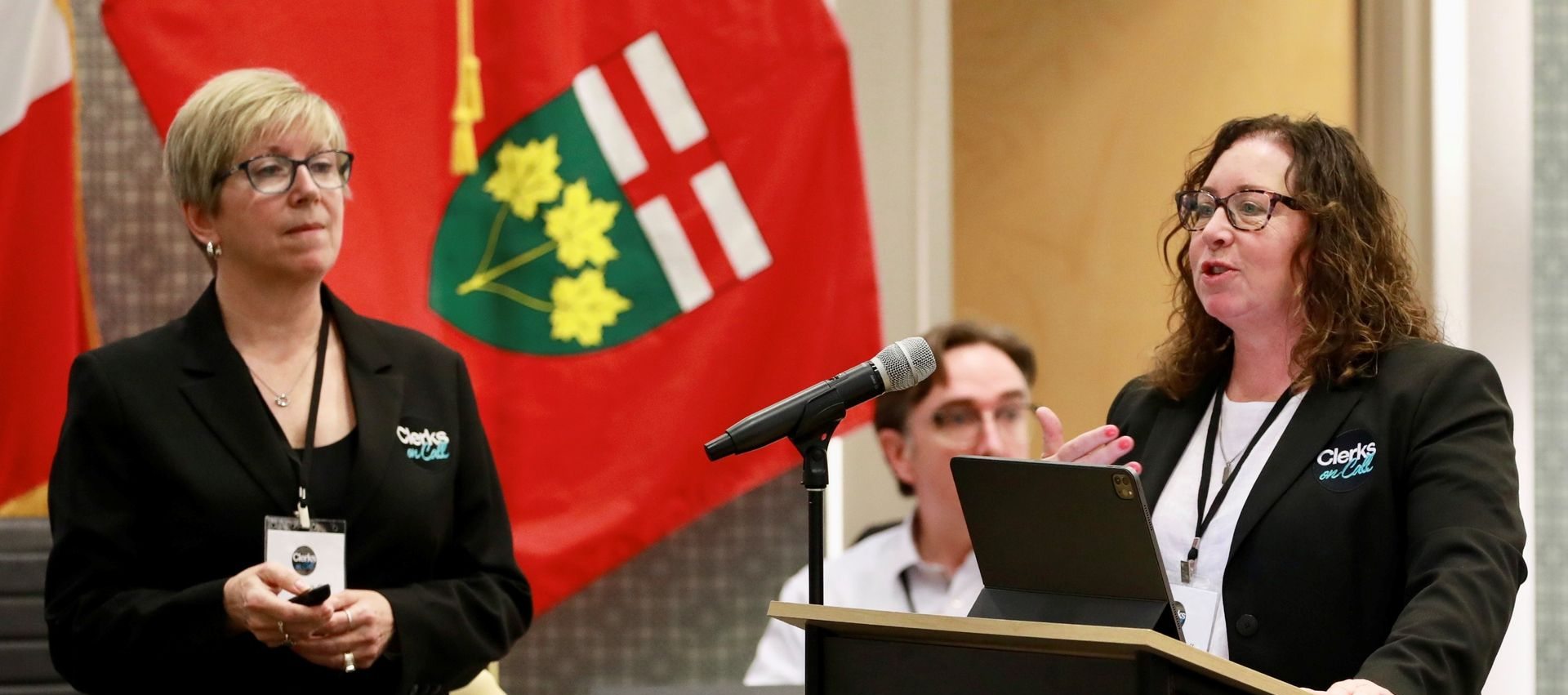
Now It's Time to Prepare for Council Orientation

With the 2026 municipal elections approaching, many residents are considering whether to run for council. It’s an important decision and one that deserves more preparation than many candidates realize. Municipal council is not an “on-the-job learning” role. From day one, elected officials are expected to operate within a complex governance framework that includes legislation, ethics rules, financial oversight, and procedural requirements. Without training, even well-intentioned councillors can feel overwhelmed or make avoidable missteps. Why Training Before Running Matters Training equips prospective candidates to: Understand the true role of council — governance, not operations Campaign ethically and in compliance with election rules Enter office prepared to participate confidently in meetings Make informed decisions that respect staff roles and public trust Early training also helps candidates decide whether the role is the right fit before committing to a campaign. Better Prepared Candidates Create Stronger Councils When candidates understand municipal governance ahead of time, councils function more effectively. Meetings are more productive, onboarding is smoother, and staff and council relationships start on solid footing. Most importantly, communities benefit from confident, informed leadership. How Clerks on Call Can Help At Clerks on Call , we work closely with municipal clerks and councils and see where preparation makes the biggest difference. Our prospective candidate training demystifies council service and helps individuals approach the 2026 election with clarity, confidence, and integrity. A Responsible First Step Running for council is a commitment to serve your community. Training helps ensure that commitment is informed, ethical, and effective. If you’re considering running in 2026, start with knowledge — it’s one of the most responsible decisions you can make.

When most people hear “Municipal Clerk,” their first thought is often of meeting minutes, agendas, and perhaps election coordination. While those are certainly essential parts of the job, the reality is that the role of the Municipal Clerk has grown into something far deeper—and far more strategic—than many realize. Today’s Clerks are not just administrative professionals. They are leaders, facilitators, coaches, and change navigators. They are the steady hands guiding our councils through complex political terrain, the trusted advisors supporting transparency and public trust, and the connective tissue linking policy to practice. From Record Keeper to Relationship Builder Municipal Clerks have always been the historians of local government—keepers of records, bylaws, and resolutions. But in today’s fast-moving and often polarized environment, they are also tasked with building and maintaining strong relationships across departments, councils, and communities. They mediate when tensions rise, they interpret policy with a steady hand, and they foster environments where governance can thrive. The Quiet Power of Political Acuity While they may not be politicians, Clerks often sit at the center of municipal politics. They must balance neutrality with insight, offering guidance rooted in legislation while also reading the room and understanding the subtleties of council dynamics. This kind of political acuity —the ability to sense, interpret, and respond to political currents without becoming swept away by them—is now a cornerstone skill for Clerks. Leading Through Change Whether it’s adapting to legislative amendments, modernizing public engagement tools, or navigating community expectations, change is constant . Clerks are increasingly called upon to lead or support transformational initiatives, often without formal authority. Our ability to build consensus, communicate clearly, and champion inclusive processes makes us indispensable change agents in local government. Supporting the People Behind the Positions Council onboarding, staff mentoring, and interdepartmental coaching are rising responsibilities in their portfolios. Investing in people has become as important as managing processes. When they support council members to understand their roles or guide junior staff through complex governance procedures, they’re shaping the future of their municipality. Final Thoughts: A Role That Matters More Than Ever At Clerks on Call , we see firsthand the evolution happening in our profession. We believe that the modern Clerk is not only capable of adapting to this change—but is uniquely positioned to lead it. So let’s continue to share knowledge, build each other up, and redefine what it means to serve as a Municipal Clerk in the 21st century. Our work may be behind the scenes, but its impact is front and center. Let’s keep moving forward—together.

Looking forward to seeing YOU in the fall.
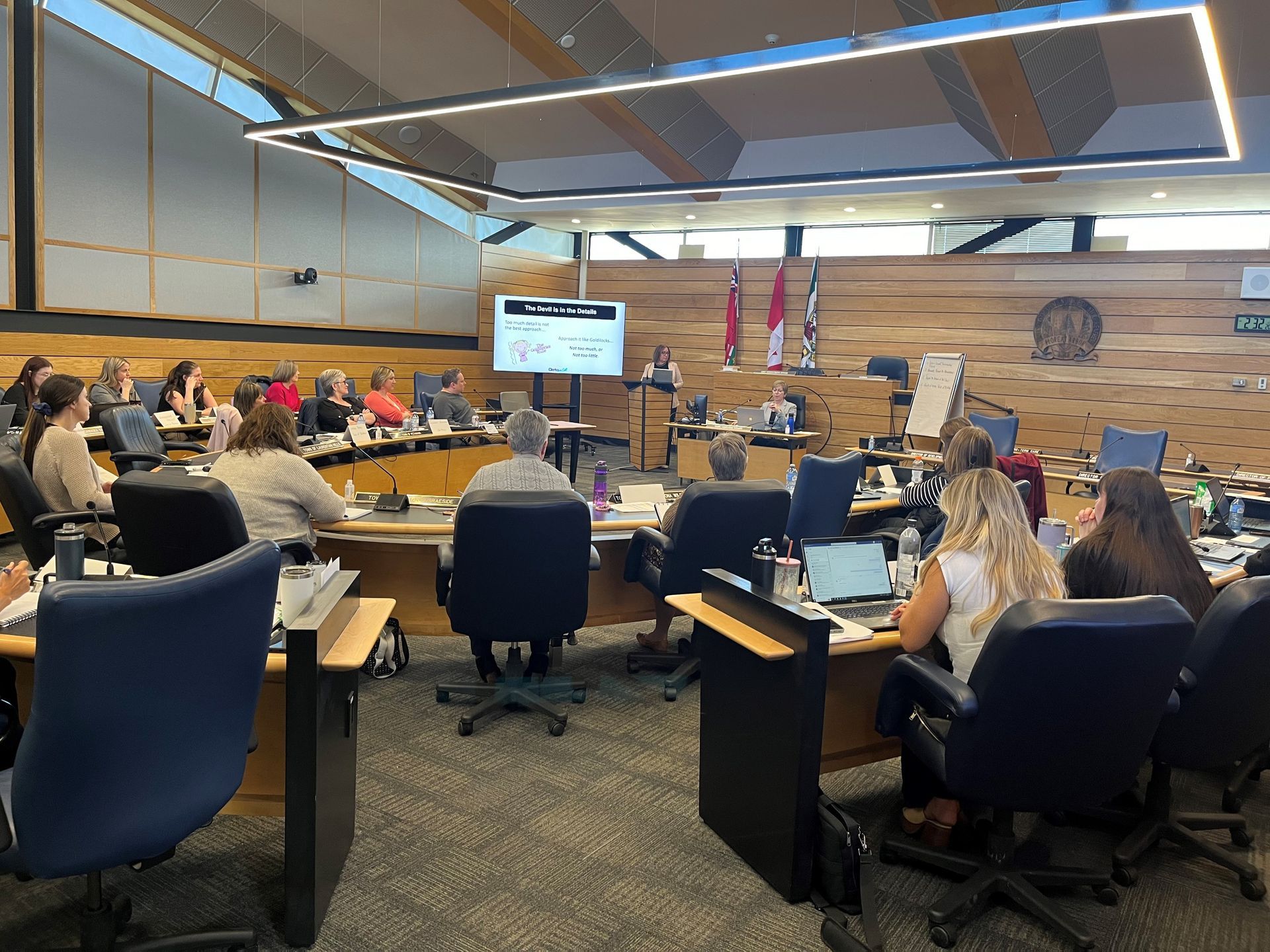
Earlier this week, we had the pleasure of being in Pembroke to provide Parliamentary Procedure and Effective Minute Taking training to Staff from Renfrew County and several of its lower tier municipalities. They were such an engaging group!
Clerks On Call - Michelle and Michelle take a well deserved break.

Clerks On Call has 'super powers'.